
India’s Structural Shift reflects how the country has always been dynamic when it comes to its economic and policy landscape. There was never a linear growth, and the country has been evolving through ups and downs.
India’s Structural Shift Toward Global Economic Integration
As India advances efforts toward greater trade openness under recent policy initiatives, an important question emerges: can the country transition from its traditionally protectionist framework toward a more globally integrated trade environment?
Recent large-scale trade agreements signal a notable shift in this direction, with India moving closer to a more open economic structure. These developments carry meaningful implications for manufacturing competitiveness, export dynamics, and capital flows.
In addition, to improve business and boost long term growth, India has undertaken a series of policy reforms for 2026. Labour laws have been distilled to four labour codes, intended to expand formal employment and improve wage transparency. Alongside this, the relaxation of foreign direct investment (FDI) limits will help India achieve deeper integration with global capital markets and reduce regulatory friction for investors. The government has also taken measures to enable greater private sector participation in the nuclear power ecosystem.
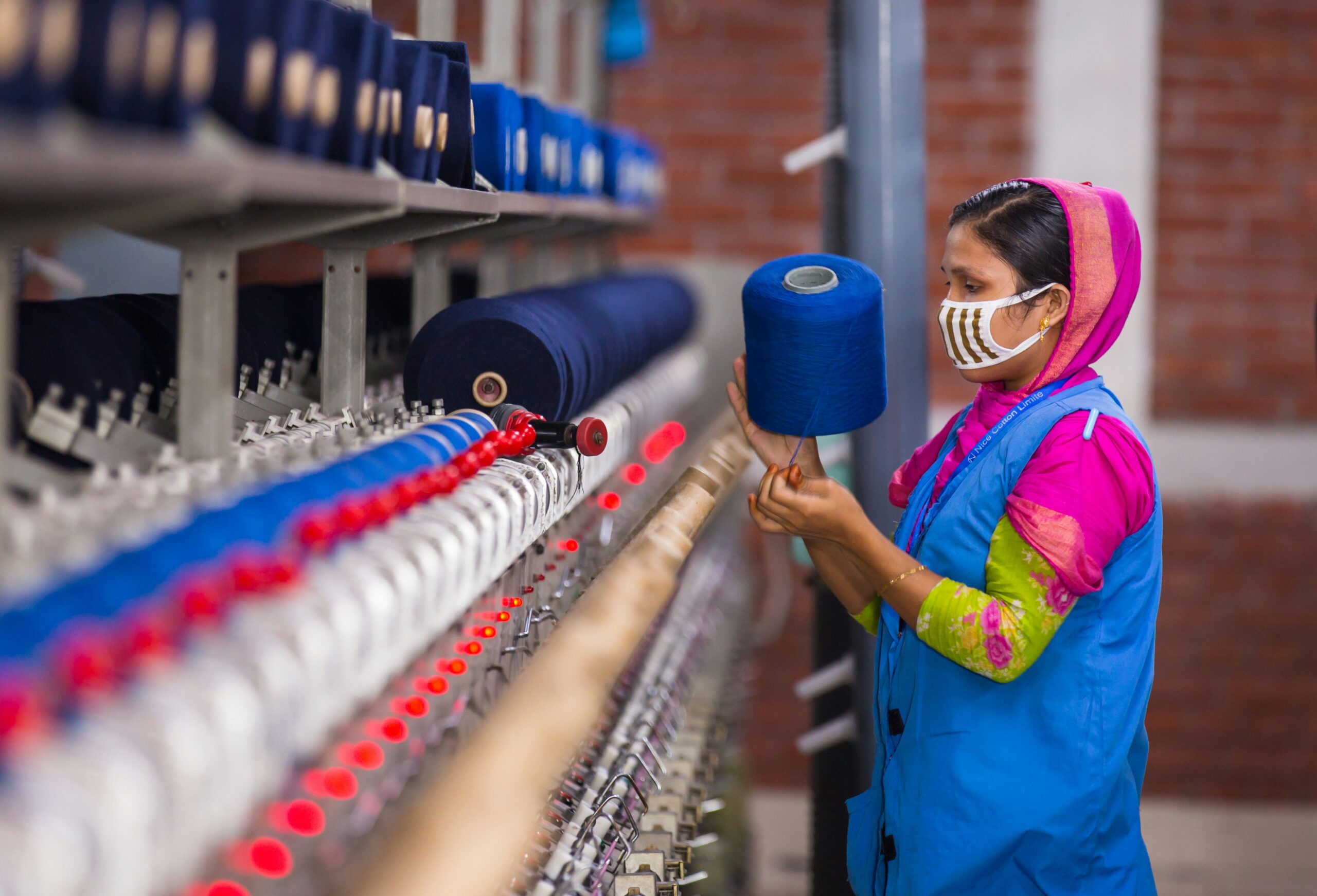
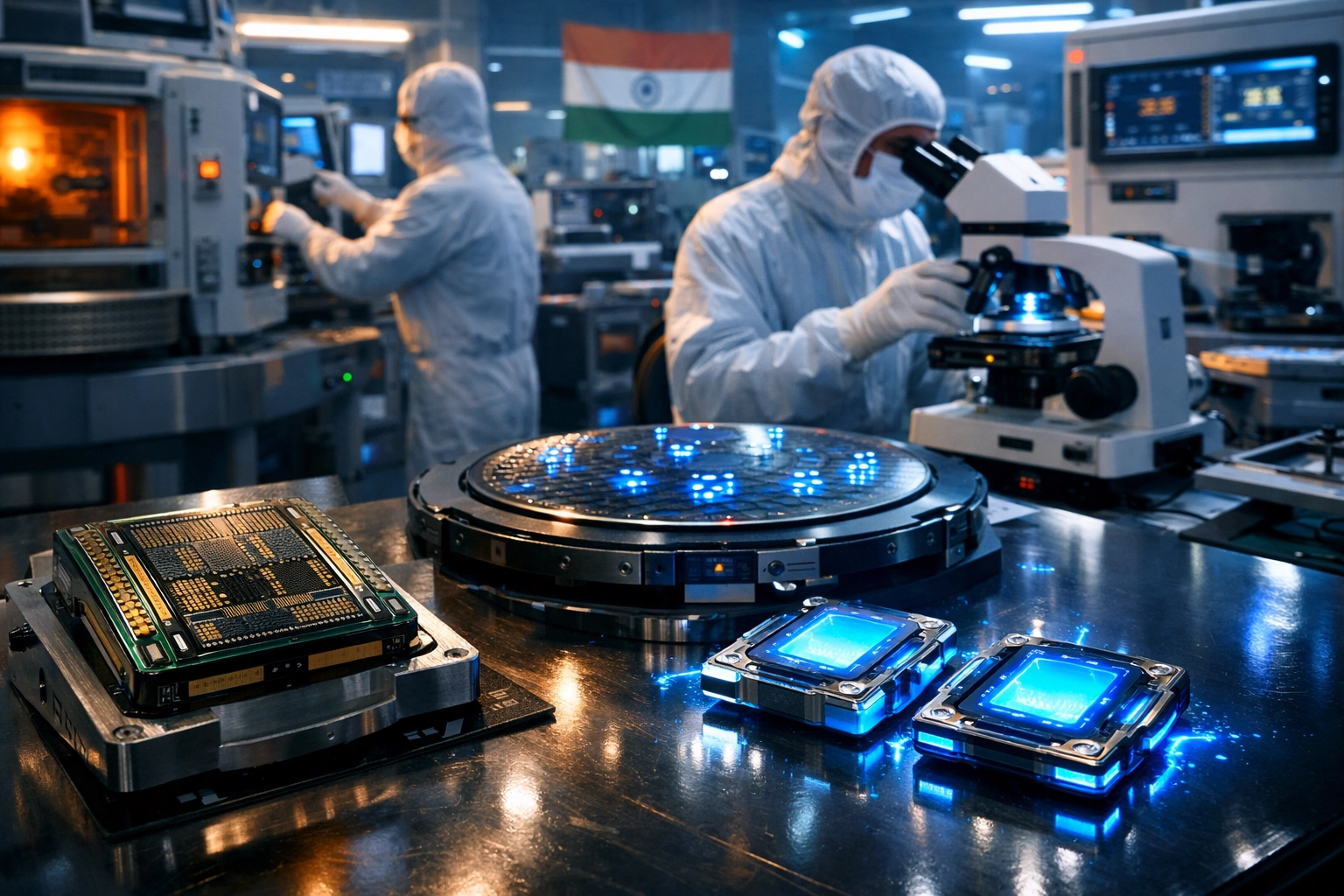
India’s strength lies in specialized and advanced manufacturing that requires higher skills, supported by the country’s strong talent base. This is reflected in continued investments and strategic collaborations by global technology companies, with initiatives spanning artificial intelligence (AI), cloud infrastructure, and semiconductor manufacturing.
While challenges remain, ranging from trade uncertainties to regulatory complexities, structural policy alignment could play a defining role in shaping investment patterns and long-term economic positioning.
Source:
- Soaring growth puts India’s central bank in tough spot (Dec 4th)
- India will grow in 2026, but will Indians be better off? (Jan 2026)
- India Labor Czar Says Biggest Reform Since 1947 Will Boost Jobs – Bloomberg
- India expects strong economic growth despite US tariff hit
- India’s growth realigns with shifting global trends
- India Labor Czar Says Biggest Reform Since 1947 Will Boost Jobs
- Indian economy grew faster than expected on manufacturing, govt spending
Read Other Posts: Zephyr Peacock India invests in Showroom B2B
“This content is Intended for Informational purposes only and does not constitute an offer to sell or invitation to purchase any securities or interests in any investment funds managed by Zephyr. The information provided herein is shared with the understanding that It is not meant to serve as a public invitation or endorsement to engage in any specific investment activity.”